
Home › Forums › A SECURITY AND NEWS FORUM › Public display of the old South African flag is hate speech, rules the Supreme Court of Appeal
- This topic is empty.
Viewing 1 post (of 1 total)
-
AuthorPosts
-
2023-04-21 at 16:54 #401058
 Nat QuinnKeymaster
Decision on the display of the flag in private homes will be determined at another hearing, if brought before a court.
By Tania Broughton (GroundUp)
-
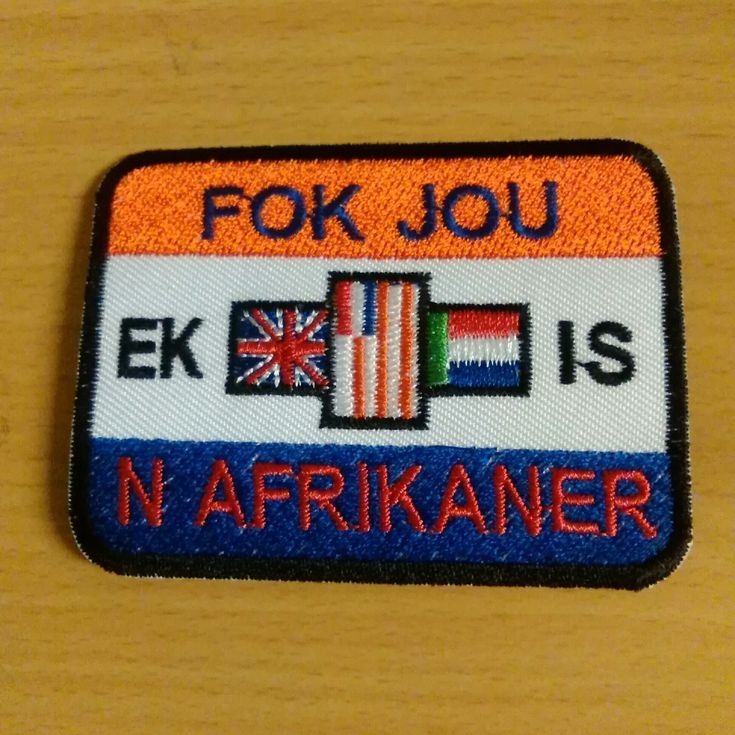
The Supreme Court of Appeal (SCA) has ruled that displaying the old South African flag is hate speech, unfair discrimination on the basis of race and harassment, upholding an Equality Court ruling.
-
However, the SCA amended the ban on the flag in private homes, saying the issue was not “properly tackled” in either the Equality Court or the SCA.
-
Afriforum argued that bringing the old flag to public gatherings should not be illegal.
The Supreme Court of Appeal (SCA) unanimously ruled that any public display of the old South African flag constitutes hate speech, unfair discrimination on the grounds of race and harassment in terms of equality legislation.
However, the court amended a similar ruling delivered by the equality court, which also prohibited the display of the flag in private homes. The SCA said that this issue was not properly tackled in the Equality Court or in the appeal to the SCA, which was launched by Afriforum, and it is best to determine if and when such an application is brought before a court.
Writing for the court, Judge Ashton Schippers said the case brought sharp focus on the power of a symbol of the brutal ideology of apartheid.
Read the verdict here:
Afriforum, he said, played a leading role in nationwide protests in 2017, marked as “Black Monday protest” to protest against the murder of farmers. It was widely reported that at some of these protests the old flag was displayed. (GroundUp reported on the Cape Town protests and our journalists did not see widespread use of the old flag. – Editor)
This led to a complaint against Afriforum being lodged by the Nelson Mandela Foundation Trust (NMFT) at the Equality Court, which sits in the Johannesburg High Court.
Judge Schippers said the basic facts were largely undisputed.
NMFT CEO Sello Hatang testified that he gave tourists a guided tour of Robben Island on the day of the protests. Displaying the old flag brought up painful memories of his childhood, including when he was called the K-word by two white boys when he was ten years old. He said it was his first experience that he was told he was less than human because of the color of his skin.
Hatang said the old flag represented the inhumane system of apartheid and its public display, more than a generation after the abolition of apartheid, reminded him that some South Africans still regard him and black people as “others” and would deny them the opportunity to be human.
During a debate on national television on the issue, Kallie Kriel, CEO of AfriForum, denied that the old flag had been displayed. AfriForum, he said, discouraged its members from bringing the old flag to public gatherings, as it could offend people. However, he argued that it should not be illegal.
In its application before the equality court, the NMFT said the flag serves no real journalistic, academic or artistic purpose and it does nothing to promote social justice, national unity and human dignity.
AfriForum’s Deputy CEO Ernst Roets, who deposited the answering affidavit, admitted that the old flag has the ability to cause offense and emotional distress.
However, the organization opposed an outright ban because it would be a violation of the right to freedom of expression.
However, the Equality Court ruled that displaying the old flag constituted hate speech, unfair discrimination and harassment.
Judge Schippers said AfriForum had failed in its appeal to make a case for why the ban violated the rights to freedom of expression, dignity and freedom “and this is simply because the rights are not implied at all”.
He said the message conveyed by the public display of the old flag was clearly one based on race – apartheid and white supremacy.
“The old flag is a horrible reminder of the anguish that millions of people suffered under apartheid South Africa.
“As stated in the founding affidavit of the South African Human Rights Commission (also an applicant in the Equality Court), the old flag represents precisely that racist and oppressive regime and the dehumanising ideologies espoused during its reign – the racial superiority of white South Africans and the corresponding inferiority of Black South Africans.
“The displays by people of the old flag unmistakably bring into view their affinity and mourning for the apartheid regime … The message being conveyed is a longing for the days of apartheid and the restoration of white minority rule.”
Justice Schippers said the Constitutional Court had already ruled that racist behaviour should be dealt with firmly.
He said such displays of the old flag are calculated as harmful and are extremely humiliating and inhumane.
“There is no escape, the message legitimizes white supremacy … it provides fertile ground for the violence and brutality of racism.”
The court dismissed the appeal and made no order on costs because the appeal raised the protection of fundamental rights.
-
-
AuthorPosts

Viewing 1 post (of 1 total)
- You must be logged in to reply to this topic.